

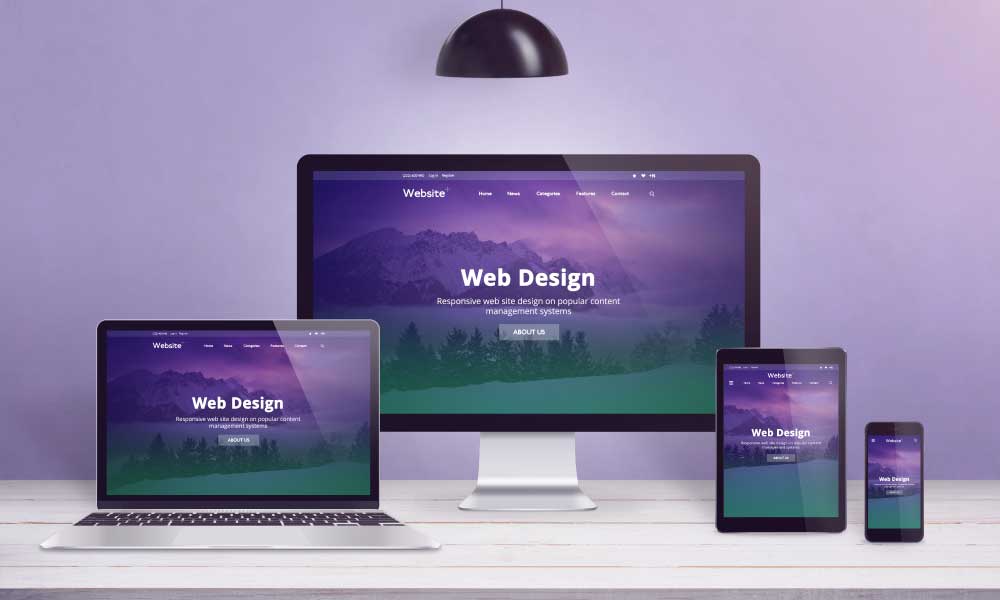
Layout adaptation across industries requires agencies to move beyond generic design templates toward sector-specific structural decisions that audience expectations, content types, and conversion objectives each shape differently. Identifying the best web design agency in the world for a specific sector means finding one that researches industry layout conventions before making visual decisions. They each demonstrate how adaptation methodology yields industry-relevant results.
Healthcare layout priorities
Healthcare website layouts demand structural adaptations that trust, accessibility, and information clarity each require above the visual complexity that other sectors accommodate more freely:
- Clear information hierarchy positioning appointment booking, contact details, and service listings within immediately accessible page positions that visitors locate without scrolling through extended introductory content
- Accessibility standard compliance, ensuring typography sizing, colour contrast ratios, and interactive element dimensions meet requirements that healthcare audiences with varying ability levels depend upon
- Trust signal placement positioning credentials, accreditations, and professional affiliations within high-attention areas that healthcare visitor decision-making draws heavily from above equivalent signals in lower-trust sectors
- Content organisation separating patient-facing information from clinical detail through distinct layout sections that different audience segments navigate toward independently.
E-commerce layout decisions
E-commerce layout adaptation prioritises product discovery, purchase pathway clarity, and trust establishment through structural decisions that retail conversion objectives require:
- Product presentation hierarchy ensures imagery, pricing, and purchase actions occupy consistent positions across all product pages that returning visitors navigate with accumulated familiarity.
- Filter and category structure positioning within accessible layout areas on which product discovery efficiency depends across large inventory sites with multiple product classification dimensions.
- Social proof integration, placing reviews, ratings, and purchase frequency indicators within natural decision-point positions that purchase consideration behaviour reaches before conversion actions.
Professional services adaptation
Professional services layout adaptation balances credibility establishment with clear service communication through structural decisions that B2B audience expectations and longer consideration cycles both influence:
- Authority signal positioning, placing team credentials, client lists, and sector recognition within layout positions that professional audience evaluation behaviour reaches early within page reading sequences
- Service clarity through dedicated layout sections presenting distinct offerings without overlap or ambiguity, which complex professional services portfolios create when inadequately separated across page structure
- Case study and outcome integration within service page layouts that professional buyers expect before progressing toward contact or enquiry actions, above sectors where social proof carries less purchase influence
- Contact pathway prominence, ensuring consultation enquiry routes receive clear layout positioning, that professional services conversion depends on the above transactional sectors, where purchase actions replace enquiry pathways.
Creative sector layouts
Creative sector layout adaptation prioritises visual storytelling and portfolio presentation through structural decisions that aesthetic expectation and work demonstration requirements shape distinctly from functional sectors:
- Portfolio presentation hierarchy, placing work examples within dominant layout positions that creative sector visitors expect to evaluate before reading supporting text content about agency or studio credentials.
- Visual breathing room through generous whitespace allocation that creative sector conventions establish as signals of design sophistication above densely packed layouts that other sectors accommodate
- Personality expression through layout asymmetry, unconventional grid structures, and distinctive typographic decisions that reward creative audience expectations above conservative equivalents
Layout adaptation across industries reflects sector-specific audience behaviour, conversion objectives, and content requirements that generic templates never adequately serve. Agencies researching industry conventions before making structural decisions produce layouts that visitors recognise as appropriate for their sector, rather than experiencing design misalignment between site presentation and industry expectations.