


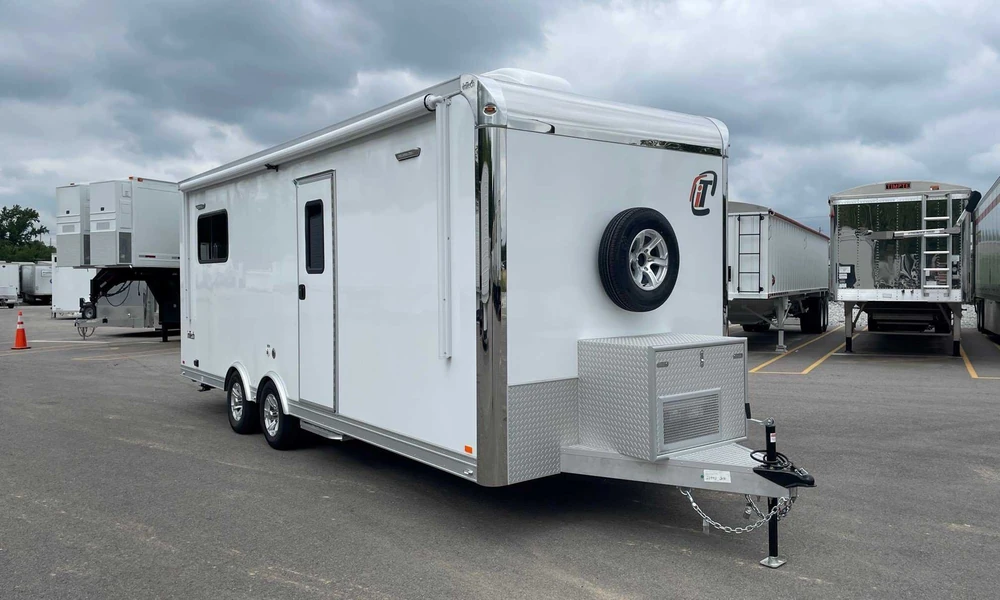
Medical trailer units provide healthcare organizations with a flexible way to deliver medical services wherever they are needed. Whether supporting rural communities, disaster relief efforts, workplace health programs, or temporary healthcare facilities, these mobile units improve access to patient care. However, successful deployment requires careful planning to ensure the trailer operates efficiently and meets the needs of both healthcare professionals and patients. The following practical planning strategies can help organizations maximize the effectiveness of their medical trailer units.
Before diving into site logistics and equipment setup, consulting a comprehensive Trailer Units Guide can help your team understand the full spectrum of structural, technical, and operational specifications available for specialized mobile facilities. Reviewing standard guidelines early in the process ensures you select the right vehicle configuration, power capacity, and interior layout tailored to your specific clinical needs. This proactive approach lays a solid foundation, making subsequent steps-from location selection to staff training-much smoother and more efficient.
Define the Purpose of Deployment
Every deployment should begin with a clear understanding of the services the medical trailer will provide. Some units may focus on primary healthcare, while others support vaccination campaigns, diagnostic testing, occupational health, or emergency medical care.
Clearly identifying the purpose helps determine staffing, equipment requirements, and the interior layout needed for efficient operations.
Select a Suitable Location
The deployment site should provide safe and convenient access for patients, healthcare workers, and support vehicles. Choosing an appropriate location improves patient flow and allows medical services to operate without unnecessary disruptions.
- Easy public access
- Stable ground for parking
- Available utility connections
- Sufficient parking space
- Safe traffic flow
A well-chosen location supports efficient daily operations.
Prepare Essential Medical Equipment
Before deployment, all medical equipment should be inspected to ensure it is functioning properly. Diagnostic devices, examination equipment, medical supplies, and emergency tools should be organized and secured for transportation.
Verifying equipment readiness helps prevent delays once the trailer reaches its destination.
Plan Utility Requirements
Medical trailer units often require reliable power, water, heating, cooling, and waste management systems. Confirming utility availability before deployment helps avoid interruptions during patient care.
If permanent utility connections are unavailable, backup power sources and portable support systems should be arranged in advance.
Organize the Interior Efficiently
A well-designed interior improves workflow and enhances patient comfort. Examination areas, storage cabinets, workstations, and waiting spaces should be arranged to support smooth movement throughout the trailer.
A well-planned interior enables medical staff to reach essential equipment easily while keeping the workspace orderly and efficient.
Train Staff Before Deployment
Healthcare teams should understand how to operate the trailer’s equipment, follow safety procedures, and manage daily workflows before arriving on-site.
Regular training helps staff respond confidently to different situations while maintaining consistent standards of patient care.
Establish Maintenance Procedures
Routine inspections help keep the medical trailer in reliable operating condition. Checking electrical systems, climate control equipment, plumbing, medical devices, and structural components before and after deployment reduces the likelihood of unexpected issues.
Preventive maintenance also extends the service life of the mobile unit.
Evaluate Each Deployment
After completing a deployment, reviewing operational performance helps identify areas for improvement. Gathering feedback from healthcare staff, monitoring patient flow, and assessing equipment performance provide valuable insights for future planning.
Applying lessons learned allows organizations to improve efficiency and prepare more effectively for future deployments.
