


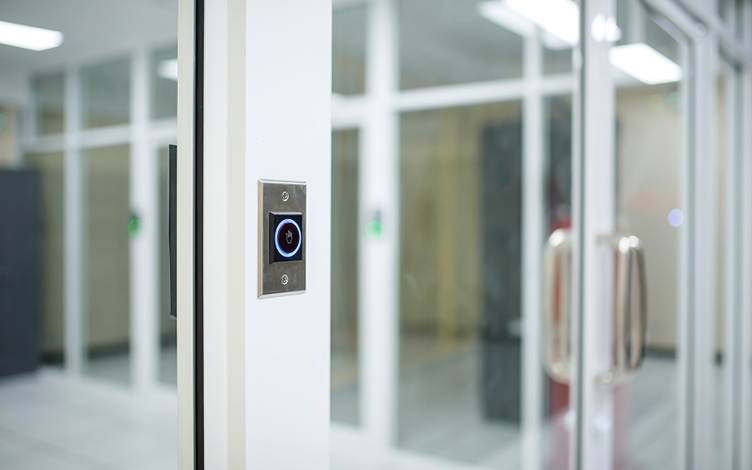
Daily access issues rarely announce themselves as serious problems. They start with misplaced cards, shared codes, or delays at the door during peak hours. Small disruptions stack up and quietly affect security routines and staff confidence. These moments explain why a card access system in Singapore has become a practical response rather than a luxury. The shift is less about technology hype and more about restoring order to everyday entry control.
Stop Relying on Manual Checks that Drain Time
Manual sign-ins and physical key management sound manageable until volume increases. Reception desks become bottlenecks, while side doors turn into weak points. A card access system in Singapore reduces this friction by placing access decisions where they belong, at the door itself. Permissions are adjusted through software rather than key duplication, which keeps movement predictable.
This structure supports clearer accountability. Entry logs show patterns without invasive oversight, helping teams review incidents calmly. The biometric system element can sit alongside cards where tighter control matters, giving administrators options without changing habits overnight. Over time, staff spend less energy policing entry and more time on actual work.
Address Lost Credentials Without Panic
Lost cards trigger stress because access feels compromised. Traditional systems demand lock changes or blanket resets, which disrupt daily flow. Modern access setups isolate the issue instead. Deactivating a single credential restores control within minutes. This is where a biometric system strengthens resilience, since identity sits with the individual rather than an item in a wallet.
Some sites introduce a fingerprint scanner door access system at secondary entry points to support this approach. It allows continuity even during card replacement, keeping operations steady. The mix of methods creates breathing room rather than dependency on one layer of access.
Reduce Shared Access Habits Before They Spread
Shared cards and codes appear harmless at first. They grow from convenience, not malice. Over time, they blur responsibility and weaken audit trails. A fingerprint scanner door access system helps close this gap naturally. Entry requires presence, which reshapes behaviour without constant reminders.
Placed thoughtfully, fingerprint access suits areas with higher sensitivity, while cards remain for general movement. This balance keeps staff comfortable while reinforcing boundaries. A biometric system supports this model by linking access to verified identity, which discourages casual sharing without creating tension.
Simplify Access Changes During Growth or Restructuring
Office layouts change. Teams expand, shift floors, or adjust schedules. Physical keys struggle to keep pace with this movement. A card access system in Singapore responds faster, allowing administrators to update access rules centrally. Changes apply instantly, which prevents gaps during transitions.
Introducing a fingerprint scanner door access system in selected zones adds flexibility during these periods. Temporary access no longer means issuing extra cards that linger beyond their purpose. A biometric system supports controlled expansion while keeping records clear and current.
Maintain Consistency Across Different Entry Points
Multiple entrances challenge consistency. Front doors receive attention, while side access fades into habit. A card access system in Singapore creates a unified approach, applying the same rules everywhere. This consistency lowers confusion and strengthens daily routines.
In locations with varied risk levels, a fingerprint scanner door access system can complement cards rather than replace them. This layered approach avoids overcomplication. A biometric system works quietly in the background, supporting secure flow without dominating the experience.
Entry struggles grow from small gaps left unattended. Addressing them requires structure rather than stricter supervision. A card access system in Singapore restores order through clarity, while a biometric system and fingerprint scanner door access system add flexibility where it matters. Together, they create a calmer rhythm at every door, allowing security to function as part of daily operations rather than a constant concern.
Contact iDLink Systems to discuss how access control planning can align with your space, workflow, and long-term security needs.
