


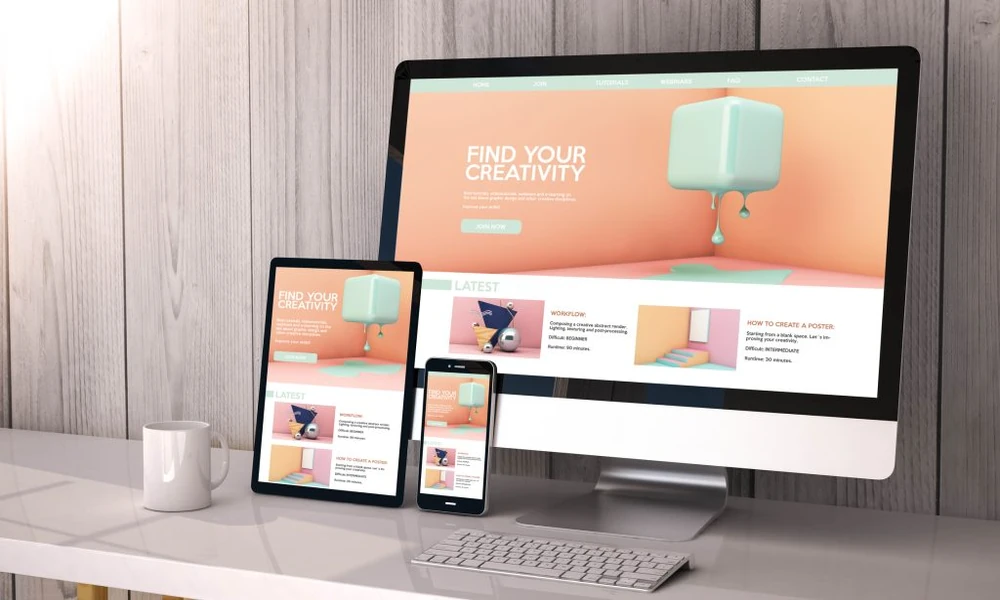
The most useful custom business websites make clear what happens after someone arrives. Visitors can quickly learn what you do, who you help, how you’re different, and whether reaching out makes sense. Click this site to know more.
Start With the Visitor’s Actual Questions
Successful web design and development begins with questions: Who visits your website, and what information or actions are important? What makes a good or bad visitor experience for your company? What needs to happen after they arrive? What’s missing or broken?
Visitors are asking questions like these. How can I learn more about what you do? Who’s this company for? How much will this cost? What’s it like to work with you? What problems have you solved for companies like mine? What’s involved to get started? Are you a good fit for me? Should we talk?
Custom web design begins by thinking about your ideal client and figuring out the best way to answer these questions. It also means making it easy to learn more when they’re ready to reach out.
Custom Design Is More Than a Different Color Scheme
There’s a lot of discussion around whether to invest in custom web design. But this conversation often focuses on visuals and assumes that custom means a website that doesn’t look like others in the same space. That’s not always necessary.
But that’s not all custom means. A custom approach to Studio 47 Web Design includes developing solutions that make sense for your business. A quote form customized to get the right information. Booking options that show availability. Copy that speaks to a particular audience. Navigation that anticipates search terms. All of these options make your website more effective because they’re built around how your business actually works.

Generic options can be effective in the right situation. Templates can be helpful for temporary, one-page websites that will not continue to be updated after launch. But they can also include elements you don’t need and force you to work within the template’s limitations. As your website becomes an increasingly important way to sell your service, communicate with your audience, and represent your business, custom design gives you the ability to build an effective, flexible site.
A well-designed site is helpful to established businesses as much as emerging ones. It can bring together pieces that have been added over the years, clarify your message, and make it easy to share updates, events, and other timely information.
Build the Page Structure Around Decisions
A useful West Palm Beach, FL, website provides immediate clarity about what it offers. It also guides the user’s path. Different sections help them understand your work and build interest. Specific calls-to-action help them decide what to do next.
Think about the journey of your ideal client. What are they trying to accomplish on your website? What kinds of questions are they trying to answer? How can they learn more? What kind of commitment are they making when they get in touch with you? How do you qualify good opportunities? How can your website help your sales process?
Some of these questions can be answered with a few words on your homepage. Others might be appropriate for a project, service, or resource page. It’s helpful to map out the minimum you want to share before designing pages and sections. Here are some common elements in service business websites:
- A homepage that makes it clear what you do.
- One or more service or resource pages with more detail and common objections addressed.
- An about page that builds credibility.
- A clear next step with a page that makes it easy to take it.
- Additional resources, knowledge, or FAQ sections to share more about your process and answer common questions.
There is no required website blueprint, but it’s helpful to avoid redundancy. For example, you may not need multiple about, service, or contact pages that say the same thing. Extra elements can be a distraction instead of adding value.
Design for Mobile Use and Visual Trust
People often browse websites on mobile. Sometimes, they’re looking for basic information and nothing more. Other times, they’re ready to learn more. Either way, it’s important to plan for this kind of use from the beginning.
There are a lot of considerations that go into effective mobile design – see https://en.wikipedia.org/wiki/Responsive_web_design for more details. How should copy and images be prioritized for easy reading? How many menu options make sense? How many clicks should it take to find important information? How can the site load quickly? How should links and forms work on different-sized screens? These decisions can’t always be scaled-down versions of a desktop site. They deserve their own thought.
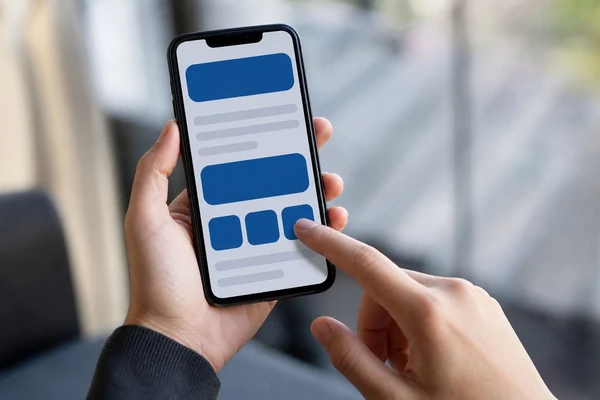
In addition, interactive elements like links, buttons, and form fields should be easy to tap with a finger. Touch targets should be at least 44 by 44 CSS pixels.
Plan for Change from the Beginning
The best websites anticipate how content will change over time and make it easy to manage. Some of this is a matter of the technical decisions made during web development, but good web design also anticipates common changes. Modular design can organize content into repeatable page and section layouts so updates are simple. This makes it possible to update the site when things change, such as a new way to describe your services, new team members, or seasonal pricing. Effective design makes it easier to stay on top of updates instead of allowing content to get stale.
Have a sense of the copy, photos, graphics, contact information, privacy policy, and other content you’ll want to include. Having this information ready to go helps projects move forward smoothly.
