


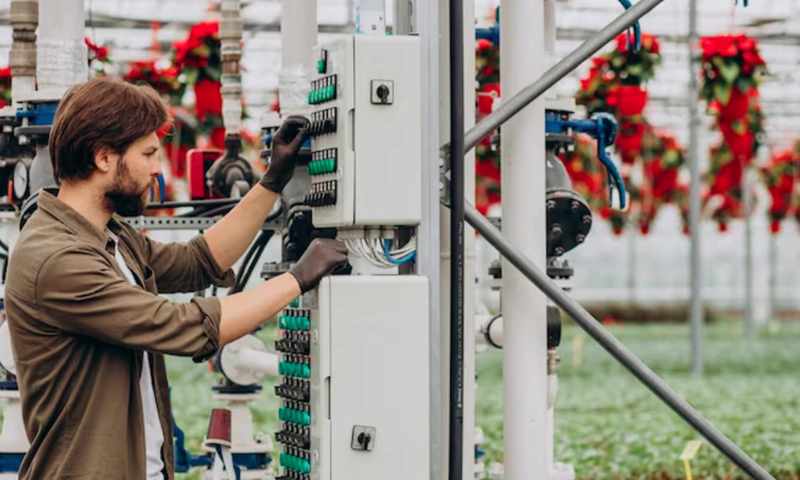
Running a successful industrial facility requires meticulous planning, stringent safety protocols, and constant equipment monitoring. Industrial plants operate in high-stakes environments where even a minor mechanical failure can result in costly production delays and safety hazards.
Plant managers must implement proactive strategies to optimize workflows, minimize downtime, and maintain peak performance across all operational departments.
Adopting a systematic approach to maintenance, safety compliance, and power reliability ensures long-term industrial success.
Ensuring Safety With Reliable Ul 698A Certified Control Panels
Hazardous industrial locations containing flammable gases or combustible dust demand specialized electrical engineering and rigorous safety standards.
Installing UL 698a certified control panels ensures that industrial automation systems operate safely within explosive atmospheres without risking accidental ignition.
Investing in certified equipment protects valuable factory infrastructure, complies with strict international safety regulations, and safeguards the lives of your on-site operational personnel.
Guaranteeing Uninterrupted Power Through Proper Generator Connection
Power outages pose a severe threat to heavy industrial manufacturing, instantly halting production lines and risking raw material spoilage. Establishing a secure and reliable backup generator connection ensures that essential machinery, safety systems, and lighting remain fully functional during grid failures.
Routine testing and load-bank trials of your backup power systems prevent unexpected starting failures, providing seamless electrical continuity when commercial power grids go down.
Implementing Predictive Maintenance Programs to Prevent Failures
Reactive maintenance is expensive and disrupts factory output by waiting for machinery to break down completely before taking action. Implementing predictive maintenance utilizes advanced vibration analysis, thermal imaging, and acoustic monitoring to detect component wear early.
Catching mechanical imbalances and electrical resistance issues before they cause catastrophic breakdowns saves thousands of dollars in emergency repair expenses and extends equipment lifespan.
Streamlining Supply Chain Logistics and Inventory Management
An industrial production line relies heavily on a steady, uninterrupted flow of raw materials and replacement parts. Bottlenecks in supply chain management can bring heavy manufacturing to a grinding halt, missing crucial client delivery deadlines.
Facility managers should cultivate relationships with multiple reliable vendors, maintain optimal buffer stock levels, and utilize modern inventory tracking software to monitor stock consumption in real time.
Prioritizing Comprehensive Workforce Training and Safety Protocols
Even the most advanced industrial machinery requires skilled human oversight to operate efficiently and safely. Conducting regular training programs ensures that floor workers stay updated on standard operating procedures, equipment handling, and emergency response plans.
Emphasizing a culture of workplace safety reduces human error, minimizes workplace injuries, and boosts overall employee morale across the entire manufacturing plant floor.
Upgrading Automation Technology for Enhanced Production Output
Embracing modern industrial automation technologies is essential for staying competitive in today’s fast-paced global manufacturing market. Upgrading legacy machinery with smart sensors, programmable logic controllers, and real-time data analytics improves operational precision.
Automated systems optimize resource utilization, reduce material waste, and provide plant managers with actionable insights to continuously improve overall industrial productivity and output quality.
Integrating these cutting-edge digital tools ultimately transforms traditional factories into highly efficient, smart manufacturing powerhouses.
