


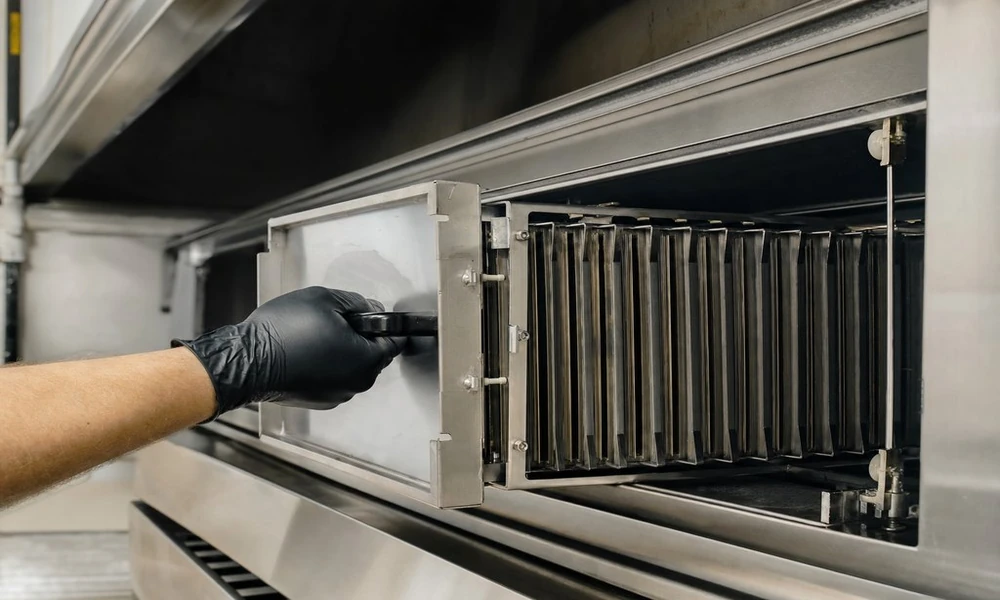
Electrostatic air cleaner equipment
The choice of electrostatic air cleaner detergent isn’t as important as it used to be.
Why the detergent still matters
Smoke, grease and particulate that could contaminate your building or travel through your ventilation system are trapped in your electrostatic air cleaner. But its performance isn’t limited to its collector cells. The type of detergent you use to keep your electrostatic air cleaner in top shape can make a big difference.
Electrostatic air cleaners can trap particulate, smoke and grease from getting into your building or throughout your ventilation system. But without the right electrostatic air cleaner detergent, baked-on grease can coat the collector cells’ ionizing wires and plates and other metal surfaces, compromising the electrostatic air cleaner’s electrical function and airflow.
Household and industrial degreasers aren’t designed to clean electrostatic air cleaners. They can remove grease from the electrostatic air cleaner’s collector cells, but they can also leave behind damaging residue, produce too much foam or be too harsh for electrical components and coatings.
Electrostatic air cleaner detergents are designed to cut through grease to help keep collector cells clean, maintain optimal airflow and electrical performance. When choosing an electrostatic air cleaner detergent, consider the following:
- Ability to cut through baked-on grease and carbon
- Rinse free of residue (especially conductive residue)
- Compatibility with gaskets and other materials (steel, aluminum, etc.)
- Dilution rate for electrostatic air cleaner’s automatic wash system or hand washing
- Safety precautions when using concentrate
Harsh detergents may clean the dirt and grease from electrostatic air cleaners, but can also damage protective coatings, corrode electrostatic air cleaner components and prematurely wear metal components.
What residue does to performance
Electrostatic air cleaners charge particulate so it sticks to the collector cells through the process described at https://www.britannica.com/technology/electrostatic-precipitator. But when collector cells are covered in residue, electrostatic air cleaners can arc, use excess electricity and lose efficiency.
Some electrostatic air cleaner detergents leave behind residue that clings to collector cells’ wires and plates, especially in tight spaces and corners. These residues can build up over time and impair the electrostatic air cleaner’s performance.
Getting the wash right
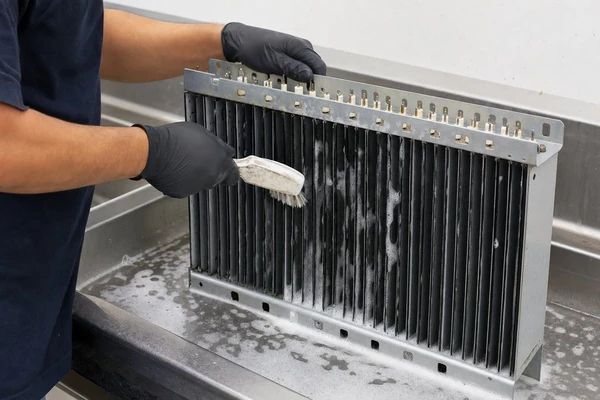
Electrostatic air cleaner maintenance
Before servicing an electrostatic air cleaner, always follow the electrostatic air cleaner manufacturer’s lockout procedure and ensure the electrostatic air cleaner is de-energized, even if you believe the electrostatic air cleaner is off. Never wash energized electrostatic air cleaners.
Wash electrostatic air cleaner collector cells with a quality electrostatic air cleaner detergent:
- Remove debris from electrostatic air cleaner collector cells and other components
- Apply or circulate detergent at recommended dilution
- Allow to sit according to electrostatic air cleaner detergent manufacturer’s recommendations
- Rinse thoroughly with water, paying particular attention to corners and areas between plates
- Allow electrostatic air cleaner components to dry completely before restarting your electrostatic air cleaner
It’s important to follow electrostatic air cleaner detergent manufacturer’s recommendations for dilution and application. Electrostatic air cleaner detergents need adequate contact time to break down grease, but can damage components if allowed to sit on components too long or allowed to dry on components.
Hand washing or a washing system?
Hand washing works well for some electrostatic air cleaners, but may not be as effective if your electrostatic air cleaner collects lots of grease or if collector cells are difficult to access. Hand washing does allow you to inspect your electrostatic air cleaner’s components for bent plates, loose hardware, ionizing wire issues and worn or missing seals.
Electrostatic air cleaner washing systems can be helpful for regularly cleaning electrostatic air cleaners, especially if your electrostatic air cleaner picks up lots of grease. However, just like hand washing, electrostatic air cleaner washing systems require detergents that break down grease, rinse thoroughly and don’t leave residues that can clog drains, tanks and other components.
Electrostatic air cleaner washing systems aren’t always necessary, and Matrix SP7C Detergent fits the heavier grease loads that make a stronger cleaning routine worthwhile. If your electrostatic air cleaner collects mostly light soiling and the manufacturer recommends hand washing, a heavy-duty detergent probably isn’t necessary.
Signs the routine needs work
Even if you choose an electrostatic air cleaner detergent that checks all the boxes, you may still run into issues such as:
- Grease still visible after components have been washed and dried
- Snapping or arcing after reassembling your electrostatic air cleaner
- Reduced airflow despite regular electrostatic air cleaner servicing
- Discoloration or corrosion on collector cells
- Clogged drains due to sludge, grease or detergent residue
- Increased time required to adequately clean your electrostatic air cleaner
These issues could be caused by water temperature, insufficient dwell time, incomplete rinsing, incorrect dilution or infrequent cleaning. Or they could be signs of larger issues in your electrostatic air cleaner that need to be addressed.
What to check before the next wash
Choose an electrostatic air cleaner detergent that won’t cause corrosion or leave behind residue, and that’s easy to handle. Be sure to use the correct dilution and dwell time, and thoroughly rinse your electrostatic air cleaner. During your next electrostatic air cleaner wash, also inspect collector cells for bent plates, ionizing wire issues and other damage. Look for grease in places that weren’t washed, you may need to adjust your electrostatic air cleaner washing routine.
