


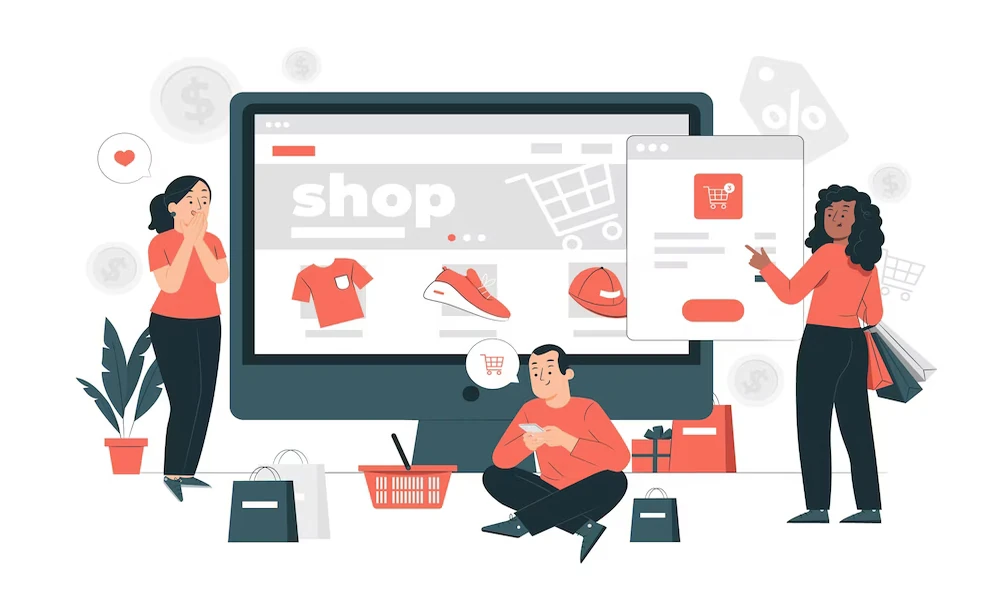
Picking an e-commerce platform is one of the first major decisions a new online business makes, and it is also one of the hardest to undo once a store has grown around it. With dozens of options on the market, each promoting its own strengths, it helps to approach the decision methodically rather than choosing based on whichever platform is most talked about at the moment or recommended by a friend without deeper research. A more structured process takes a little longer upfront but tends to save far more time and expense later on in the life of the business.
Selecting the right technology early can give an online store a stable foundation for managing customers, products, orders, and payments as the business develops. An e-commerce platform should not only meet a company’s current requirements but also provide enough flexibility to support future growth. Considering factors such as usability, integrations, security, scalability, and available features can help businesses choose a solution that supports smooth daily operations without creating unnecessary limitations later.
Define What the Business Actually Needs
Before comparing any specific platforms, it helps to write down concrete requirements: expected order volume, product types, whether international sales are planned, and which existing tools need to connect to the store. A platform that looks impressive in a demo may still be the wrong fit if it does not match these underlying needs once real operations begin, so this list is worth revisiting before signing any contract.
Evaluate Ease of Use for the Team
The people who will manage the store daily, not just the developers who build it, need to be able to update products, run promotions, and review orders without constant technical support. Testing a platform’s admin interface firsthand, rather than relying on marketing screenshots, gives a much clearer sense of how practical it will be for daily use across the whole team, including staff who may join later without deep technical training.
Check Payment and Security Support
A platform should support the payment methods a business’s target customers actually prefer, along with strong security certifications to protect sensitive transaction data. Gaps here can directly cost sales, since shoppers who do not see their preferred payment option often abandon a purchase rather than switch methods at the final step of checkout, and security lapses can be far more costly to repair than to prevent.
Consider Room to Grow
Even a small store should think ahead to what happens if sales double or triple. Switching platforms after a business has built up years of data, design work, and integrations is disruptive and costly, so it is worth choosing a platform that can comfortably support future growth rather than just current needs, even if that means paying slightly more upfront for capacity the business has not yet fully used.
Conclusion
There is no single platform that is objectively the best choice for every business; the right decision depends on a store’s specific products, audience, and ambitions. By starting with clear requirements, testing usability directly, confirming payment and security support, and planning for growth, business owners can make a choice that serves them well beyond the first year, rather than one they will need to revisit prematurely after unexpected growing pains disrupt the business at an inconvenient moment.
